
Never far from Rome VI
The Amphitheatre of Londinium

In February of 1988, when I was ten years old, a couple of hundred metres from my school the remains of London’s amphitheatre were uncovered. It was a big deal. The idea of gladiators in London jostles in the positively Cubist kaleidoscope of jumbled childhood memory: George Michael, Madonna, and a magazine called Smash Hits; film cameras and unspooling cassettes; tiresome, scratchy school uniform and crazes for coloured erasers; Mrs Thatcher and Gorbachev; apartheid, hostages and exploding planes; a children’s news programme on the BBC explaining a map of the West Bank.
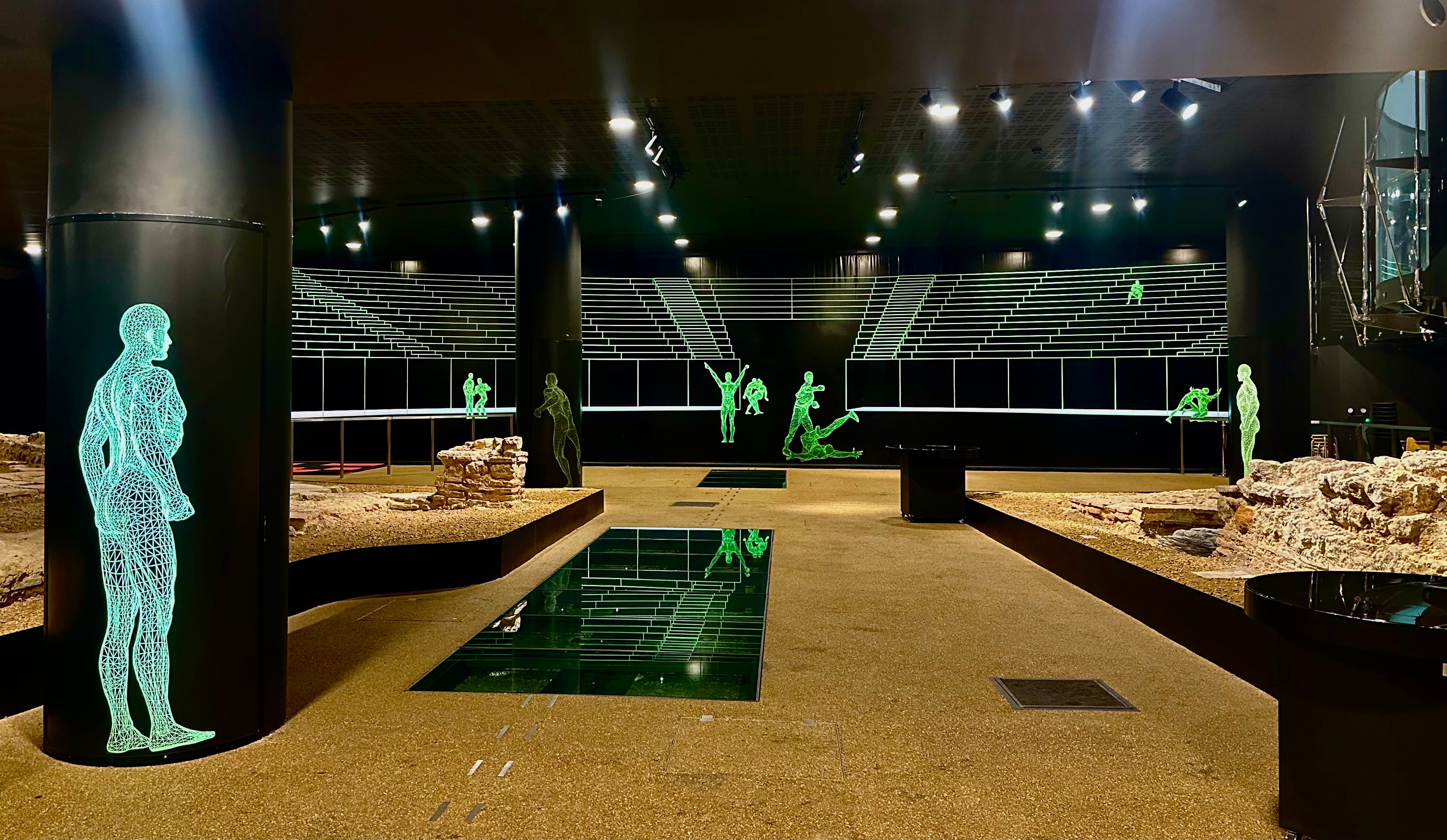
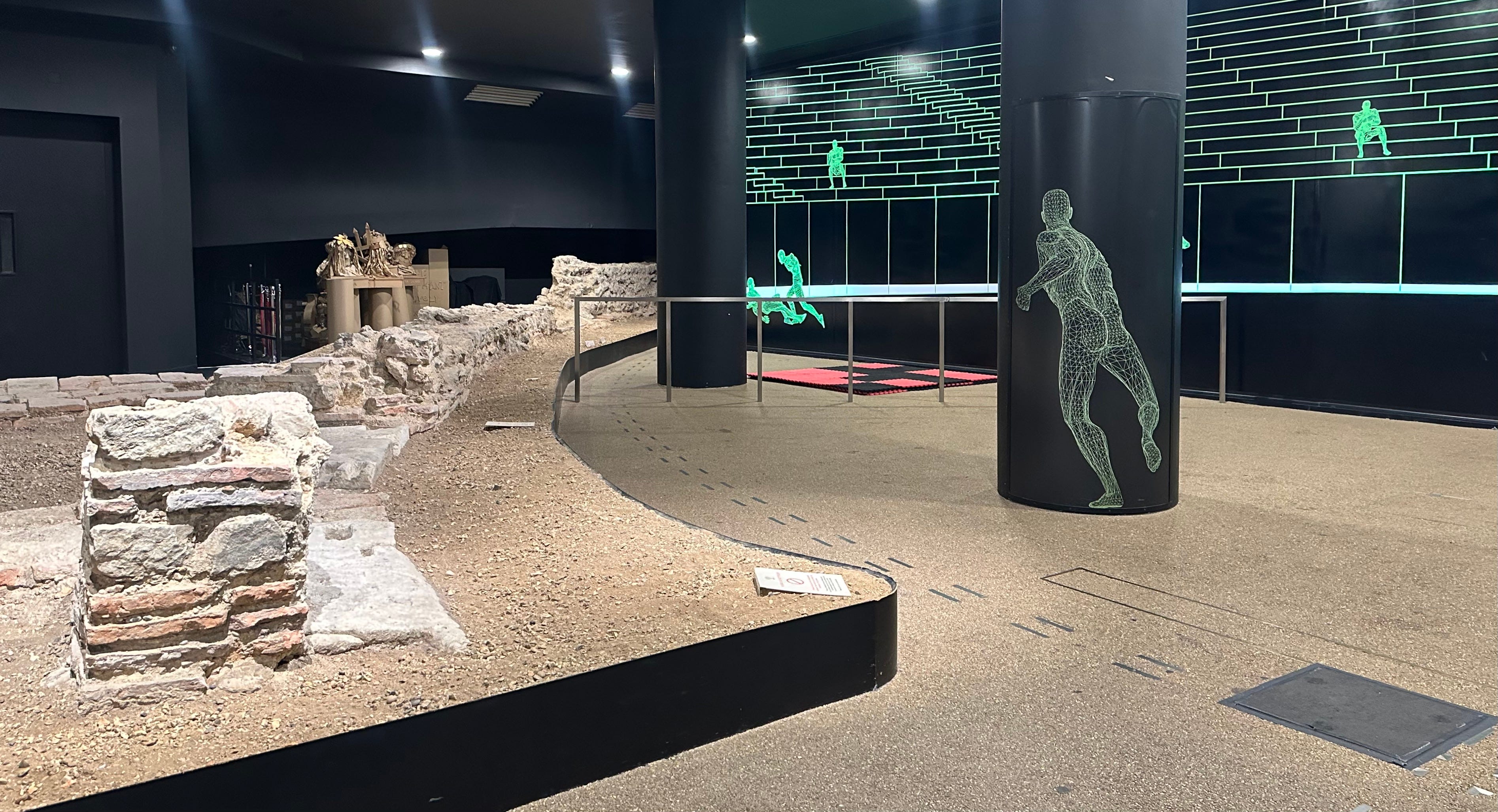
This new discovery below the Guildhall Art Gallery (and free to visit, go!) was a tangible reminder, an enthusiastic Latin teacher told us as we sat within sight of London’s Roman walls, that we had once had gladiators here too, far from the Mediterranean in our city on the north bank of the grey tidal Thames.
Londinium was founded after the arrival of Claudius’ general Aulus Plautius in south east Britain in 43 CE, after abortive attempts by Julius Caesar in 55 and 54 BCE; Caesar had come, he had seen, and he hadn’t conquered.
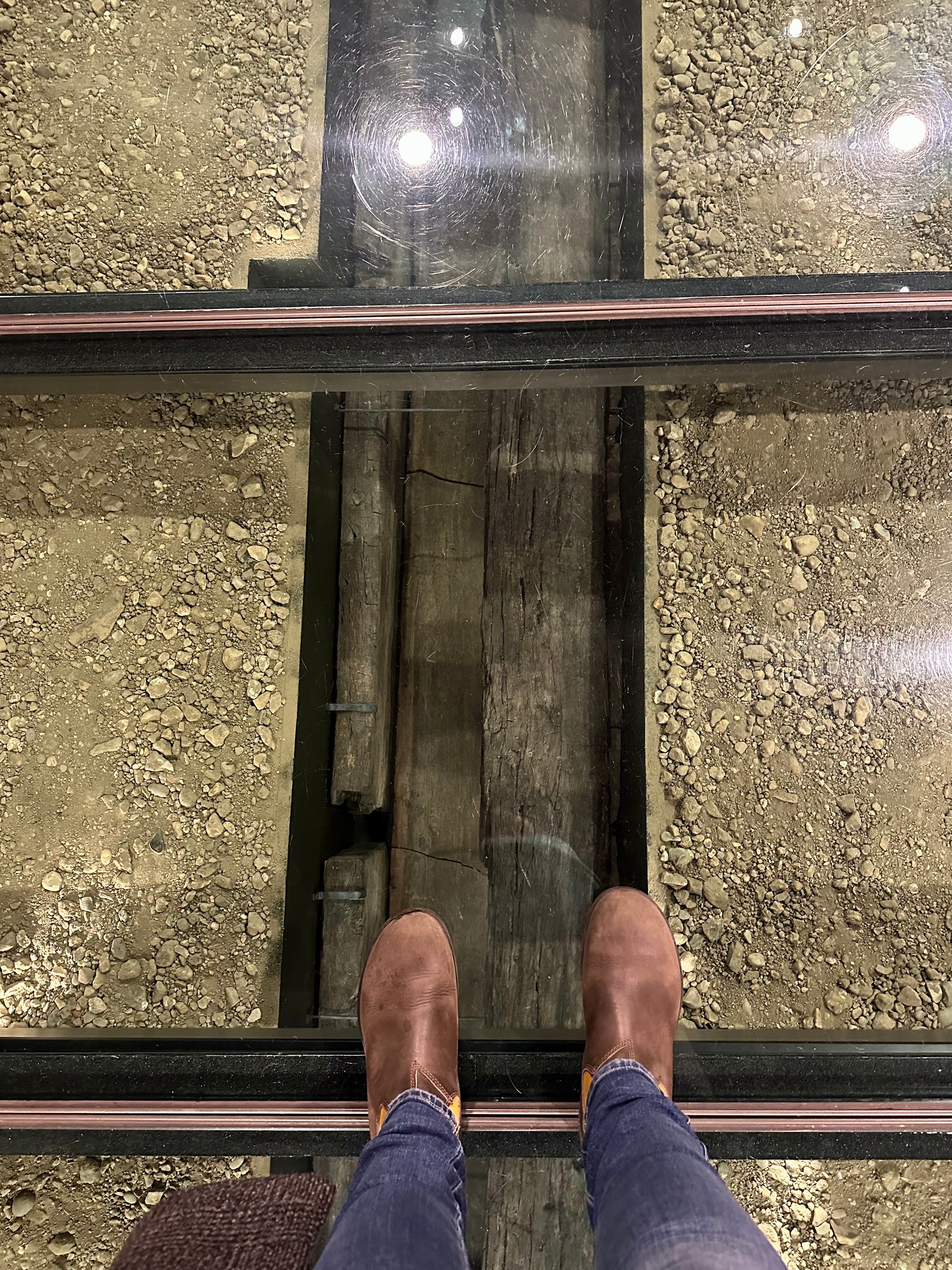
In the year 74 CE or so—while Vespasian ruled as emperor and in Rome a vast amphitheatre was being built of brick, travertine and concrete—in London an amphitheatre constructed in local timber was inaugurated to house spectacles to entertain the citizenry and the troops. Just the sort of thing any provincial city worth its salt required.
